

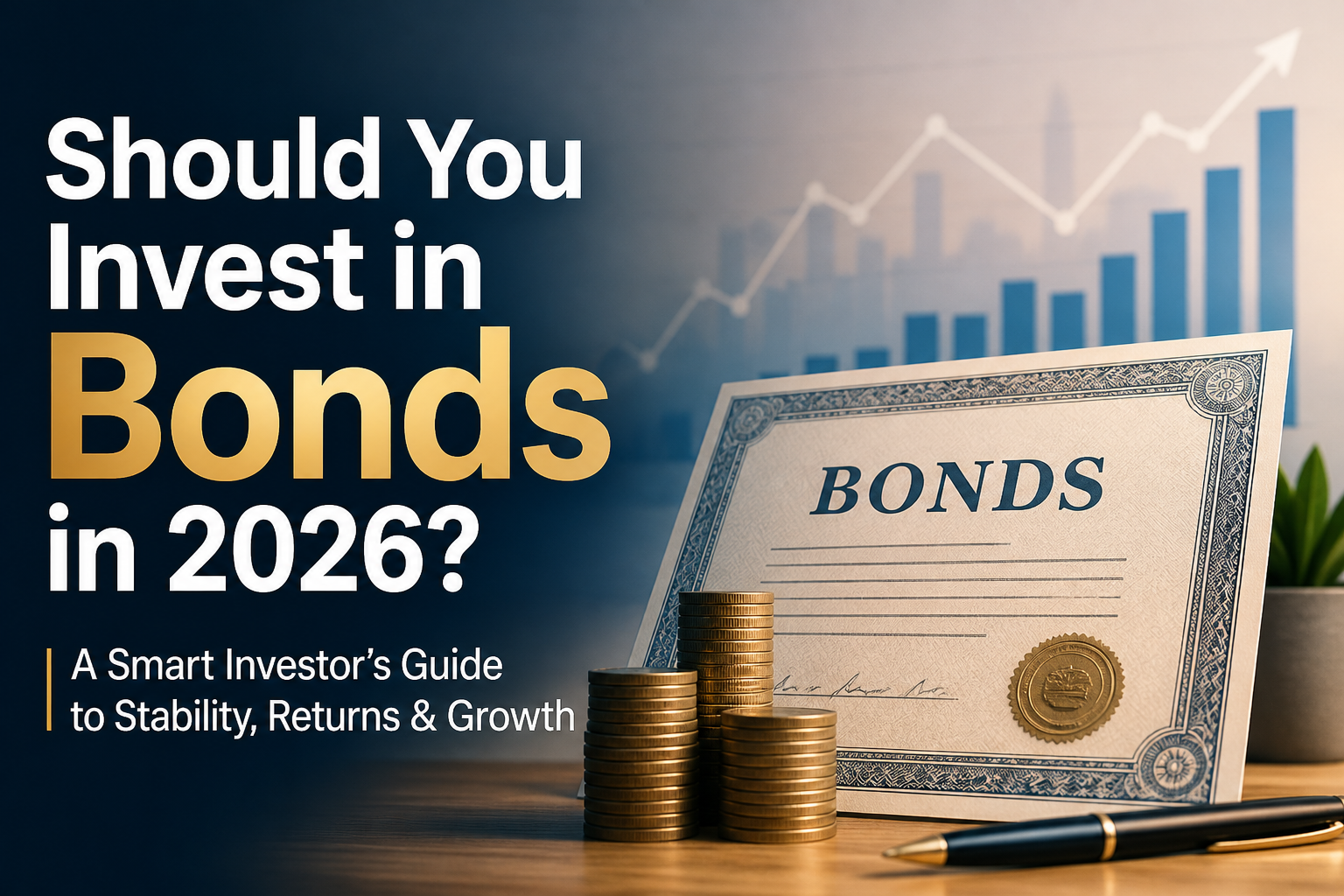
In a market that often swings between optimism and uncertainty, one question is quietly gaining attention among investors: where should stability come from? For many, the answer is increasingly pointing toward bonds.
But does that mean bonds deserve a place in your portfolio in 2026? The answer is not a simple yes or no. It depends on how you understand the current environment, your financial goals, and the role you expect your investments to play.
The Changing Investment Landscape
Over the past few years, investors have experienced both rapid growth and sudden volatility. Equity markets have delivered strong returns, but not without sharp corrections. At the same time, rising and fluctuating interest rates have reshaped the fixed-income space.
In 2026, the focus has shifted from chasing maximum returns to building balanced, resilient portfolios. This is where bonds begin to stand out.
Bonds are no longer seen as just a “safe but boring” option. They are now being viewed as strategic tools for stability, predictable income, and risk management.
What Makes Bonds Relevant in 2026?
1. Predictable Income in an Unpredictable World
Unlike equities, bonds offer relatively stable and predictable returns. For investors who value consistency—especially retirees or conservative investors—this can be a strong advantage.
2. Interest Rate Opportunities
Interest rates play a crucial role in bond performance. Depending on where rates are headed, bonds can offer attractive yields. Investors who understand this cycle can position themselves wisely.
3. Portfolio Stability
Bonds help reduce overall portfolio volatility. When equity markets fluctuate, bonds often act as a cushion, helping maintain balance.
4. Diversification Matters More Than Ever
Putting all your money into one asset class is no longer considered smart investing. Bonds provide diversification, which is essential for long-term financial health.
But Are Bonds Completely Safe?
It’s important to move beyond the common myth that all bonds are risk-free.
Bonds come with their own set of risks:
- Interest rate risk – Bond prices can fall when interest rates rise
- Credit risk – The issuer may default, especially in lower-rated corporate bonds
- Liquidity risk – Some bonds are not easy to sell quickly
Understanding these risks is what separates informed investors from reactive ones.
Who Should Consider Investing in Bonds?
Bonds are not just for one type of investor. They can serve different purposes depending on your financial stage:
- Conservative investors looking for stable returns
- Retirees seeking regular income
- Balanced investors aiming to reduce portfolio volatility
- First-time investors wanting a safer entry point into investing
Even aggressive investors can benefit from allocating a portion of their portfolio to bonds for stability.
Final Thoughts
In 2026, investing is no longer about picking winners. It is about building a strategy that can withstand uncertainty while still delivering consistent growth.
Bonds may not offer the thrill of rapid gains, but they provide something far more valuable—stability, predictability, and balance.
For investors who understand their role, bonds are not just an option. They are a necessity.
To explore bond investment opportunities and make informed decisions, visit:
www.bondspartners.com
Share this content: