

When you see a bond offering 12%, 13% or 14%, the first thing you may notice is the potential return.
But a bond is not just about the return.
Before deciding whether a bond is worth considering, it helps to look at the complete picture.
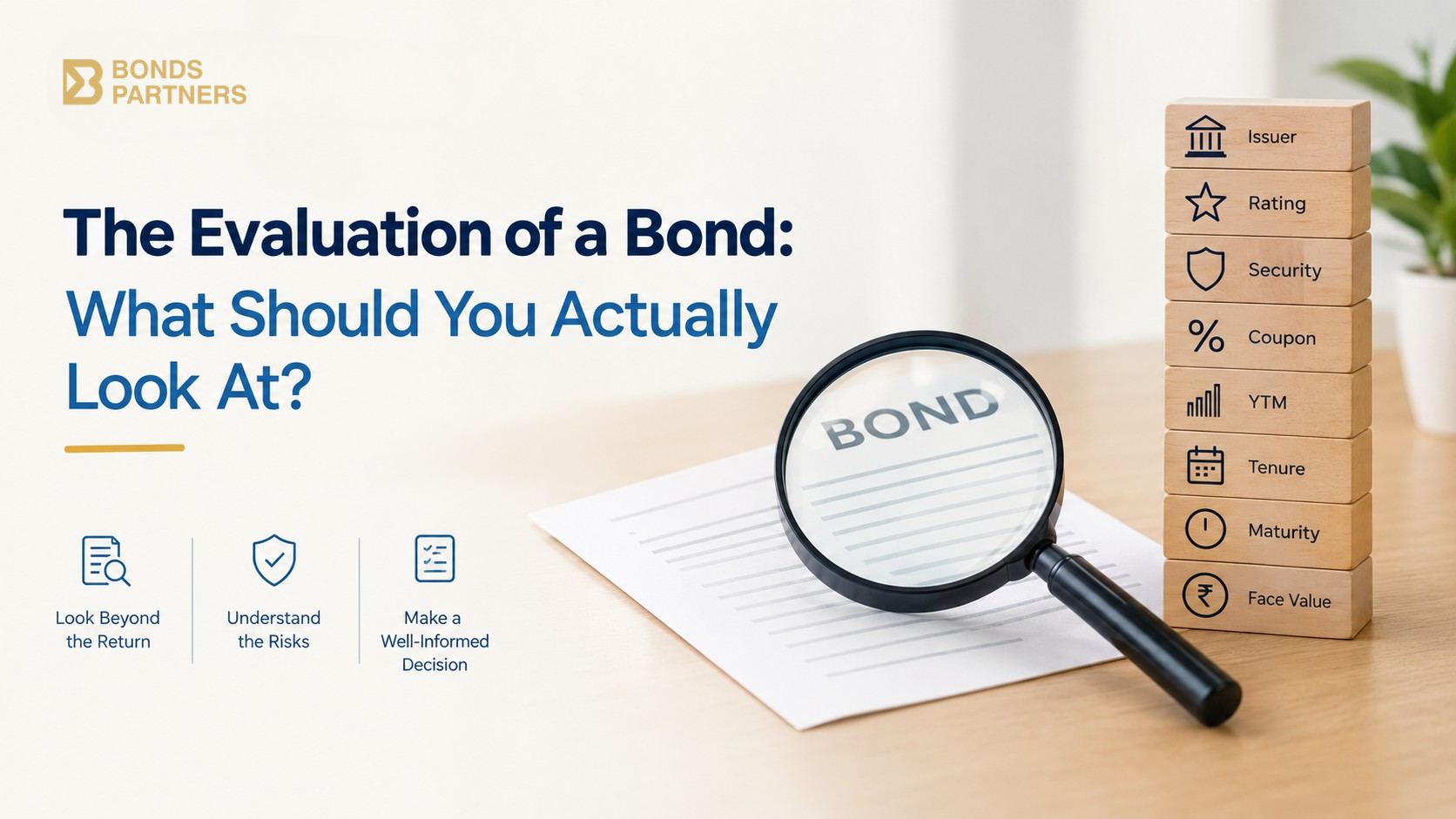
Think of it like an X-ray of a bond — looking beyond the headline rate and understanding the important details.
Issuer | Rating | Security | Coupon | YTM | Tenure | Maturity | Face Value
Here’s what these terms mean.
Face Value
Face value is the value of the bond on which the coupon is generally calculated.
For example, if the face value is ₹1,000 and the coupon is 10%, the annual coupon amount would be ₹100, subject to the bond’s payment terms.
#Coupon
The coupon rate is the stated annual interest rate on the bond’s face value.
But coupon and YTM are not the same.
Why?
Because the coupon is calculated on the face value, while YTM also considers the price you pay for the bond and the relevant cash flows.
For example:
Coupon: 10%
YTM: 11.25%
So, simply put:
Coupon ≠ YTM
YTM — Yield to Maturity
YTM stands for Yield to Maturity.
It is an estimated annualized return based on the bond’s purchase price and relevant cash flows, assuming the bond is held until maturity and applicable terms and conditions are met.
That’s why two bonds with similar coupons can have different YTMs depending on their purchase prices and other cash flows.
What About the Rating?
A credit rating is an assessment of the creditworthiness of an issuer or debt instrument by a rating agency.
You may see ratings such as:
AAA | AA | A | BBB
Generally, a higher rating indicates lower assessed credit risk compared with a lower rating within the same rating scale.
But there’s an important point to remember:
Rating ≠ Guarantee
A credit rating is an important factor to consider, but it does not eliminate investment risk or guarantee repayment.
Ratings can also change over time based on the rating agency’s assessment.
What About Security?
Another important aspect is whether the bond is secured or unsecured.
For a secured bond, investors should understand what assets or security interest supports the obligation and the applicable terms and conditions.
But remember:
Secured ≠ Risk-Free
The actual security structure and relevant documents matter.
Tenure — How Long Is Your Money Invested?
Tenure tells you how long the bond is scheduled to remain outstanding.
It could be:
18 months | 3 years | 5 years | and more
Before investing, ask yourself:
“Am I comfortable keeping my money invested for this period?”
Also check when and how interest payments are scheduled.
Maturity — When Does Your Principal Come Back?
The maturity date is the date on which the bond is scheduled to mature, subject to its terms and conditions.
At maturity, the principal amount is generally due for repayment by the issuer, subject to the applicable terms and risks.
So don’t just ask:
“How much interest will I earn?”
Also ask:
“When is my principal scheduled to be repaid?”
And Finally — Who Is the Issuer?
When you buy a bond, you are essentially providing debt capital to the issuer.
So it’s important to understand:
- Who is the issuer?
- What does the business do?
- Why is it raising funds?
- What is its financial position and track record?
- What does the offer document say?
- What are the associated risks and terms?
The interest rate or coupon alone should not be the deciding factor.
The Bond Checklist
Before considering a bond, look at the complete picture:
01 — Issuer
Who are you lending to?
02 — Rating
How is the credit risk assessed?
03 — Security
Is it secured or unsecured? What does the security structure say?
04 — Coupon
What is the stated interest rate?
05 — YTM
What does the purchase price and cash flow imply?
06 — Tenure
How long is the bond scheduled to remain outstanding?
07 — Maturity
When is the principal scheduled for repayment?
08 — Face Value
What is the bond’s nominal value?
Before You Consider a Bond, Ask Yourself:
- Who is the issuer?
- What is the issuer/security’s credit rating?
- Is the bond secured?
- What is the coupon?
- What is the YTM?
- What is the tenure?
- When is the maturity date?
- What is the face value?
- What do the relevant offer documents and risk factors say?
Don’t Just Look at the Rate.
Understand the Bond as a Whole.
Do your homework. Read the fine print. Compare bonds across relevant parameters.
Bonds Partners
Explore. Compare. Understand.
Investments in bonds/NCDs are subject to applicable risks. Investors should carefully read the relevant offer documents, rating rationale and risk factors before investing.
Share this content: